
FAQ
Common Texturing Issues
1. Part Scuffing
Scuffing is a common issue when the selected texture does not suit the draft angle on a side wall. The usual response is to reduce texture depth according to the actual draft and improve surface smoothness.
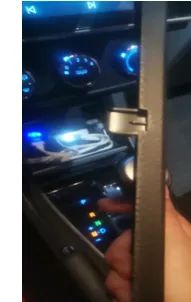
2. Texture Mismatch
Different draft angles across assembled parts can create visible differences in texture depth.
Reviewing texture plaques during the early project stage helps address this issue. Inserts and slides should use the same steel as the main mold where possible.
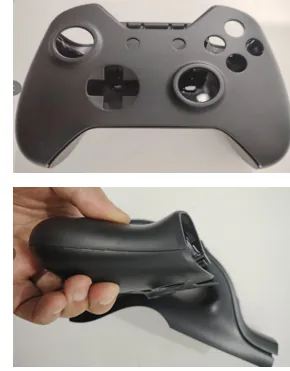
3. Production Part Does Not Match the Approved Plaque
Possible causes include insufficient processing control, unsuitable inspection instruments, an impractical design or inadequate draft angle.
Suitable measuring instruments, controlled processing and early confirmation of the required draft angle with the texturing supplier help reduce this mismatch.
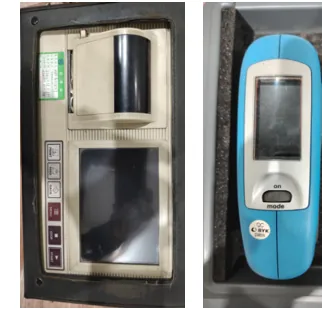
4. Gloss Variation
Gloss is influenced by the following factors.
1. The reflectivity of the plastic.
2. The final gloss level applied during mold texturing.
3. The reflectivity of the texture itself.
4. Injection-molding conditions, including cavity-side mold temperature and holding pressure.

5. Scratch Resistance
Scratch performance is influenced by the following factors.
1. The hardness relationship between the product surface and the scratching object accounts for 80%.
2. Texture selection matters because sandblasted, coated and film-transfer textures have different scratch performance.
3. The microscopic surface structure of the texture.
6. Mold Steel Issues
Welding
Material Lines
Sand Holes
Cracks
Different materials are used across assembled mold components.
7. Product Surface Issues
Weld Lines
Wall-Thickness Marks
Flow Marks
Pitting and large-area surface variation
Uneven surface appearance.